
These days there is a lot of discussion about the role of commonly agreed principles and routines in teaching. On one hand you have people, often strongly orientated towards rapid school improvement -‘turning schools around’ – where the imperative is to ensure strong common standards across the school in a short period. Here there’s a desire to ensure common routines are enacted so that students form good learning habits and teachers across the expertise and experience range know what to.
One the other hand there’s a fair amount of push-back, often from subject specialist curriculum experts or those who baulk at the notion of imposed, centrally determined routines perhaps for philosophical, values reasons. Here, people tend to emphasise subject specific pedagogy, core principles in teaching over techniques and so on. Teacher autonomy matters – and it does.
I can see things from both sides but, as ever, context is key and I don’t think it’s helpful to project a sense that we’re all in State A and need to move to State B. In some schools, for sure, you can tell that they would benefit from clearer shared routines and a stronger common understanding of key ideas about learning. There can be too many teachers doing things half-heartedly, feeling that the inertia from students is too great to engineer real habit change so they accept a mediocre status quo.
In other schools, you can sometimes sense that the imposition of centrally written curricula or mandated teaching routines – such as Show Me Boards and 4-question Do Now retrieval quizzes – isn’t working because the teachers don’t have sufficient ownership or understanding of the rationale. You see performative wafting of whiteboards and awkward click-throughs of slidedecks the teacher hasn’t fully engaged with because they didn’t write them and haven’t had or made time to explore them properly.
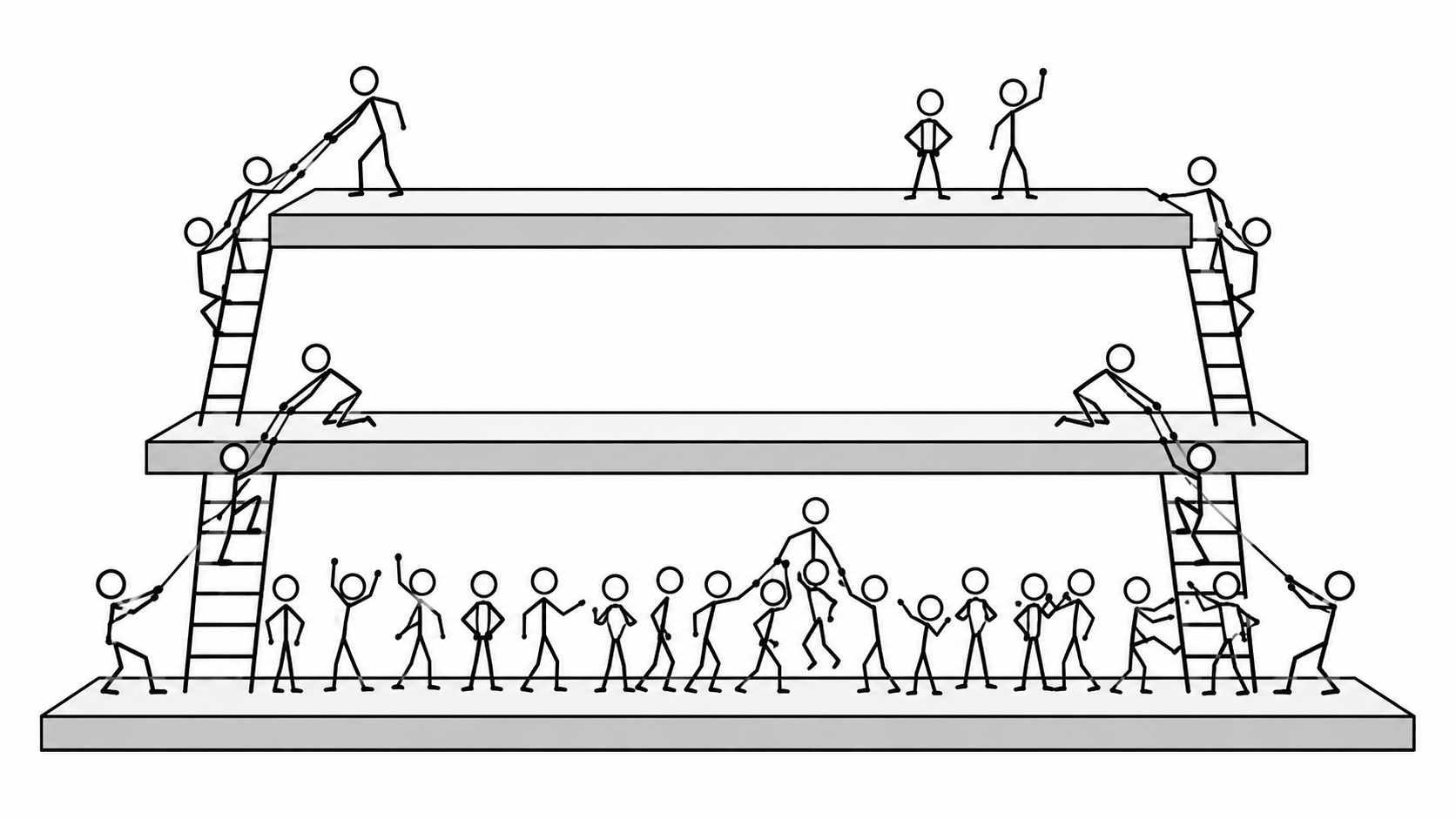
The design of good common classroom routines should always, always, always be informed and underpinned by professional learning focused on the fundamentals of how learning happens and why it sometimes doesn’t. However, once agreed, they are essential to lifting standards. The routines are like ladders that people can climb: they direct you to the next level, without needing to reinvent the path. And other people can help you up.
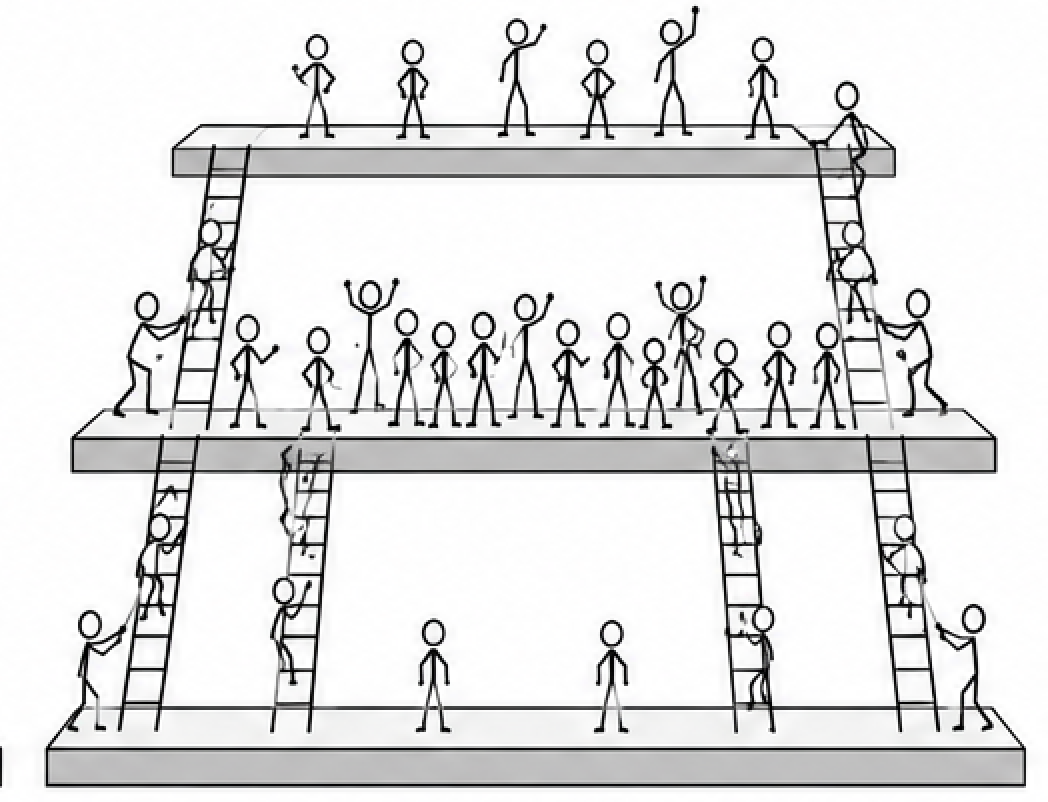
To begin with, climbing these ladders can feel rigid and constraining. Yes, we really do all need to do the same things – so that student learning habits change and our own habits change in an aligned way. We might need help from each other and there’s strength in collective action. However, once introduced and embedded you can start to operate more freely on a higher plateau, where teacher fluency with routines takes hold again.
Later, you can push on yet again, reaching to an even higher level.
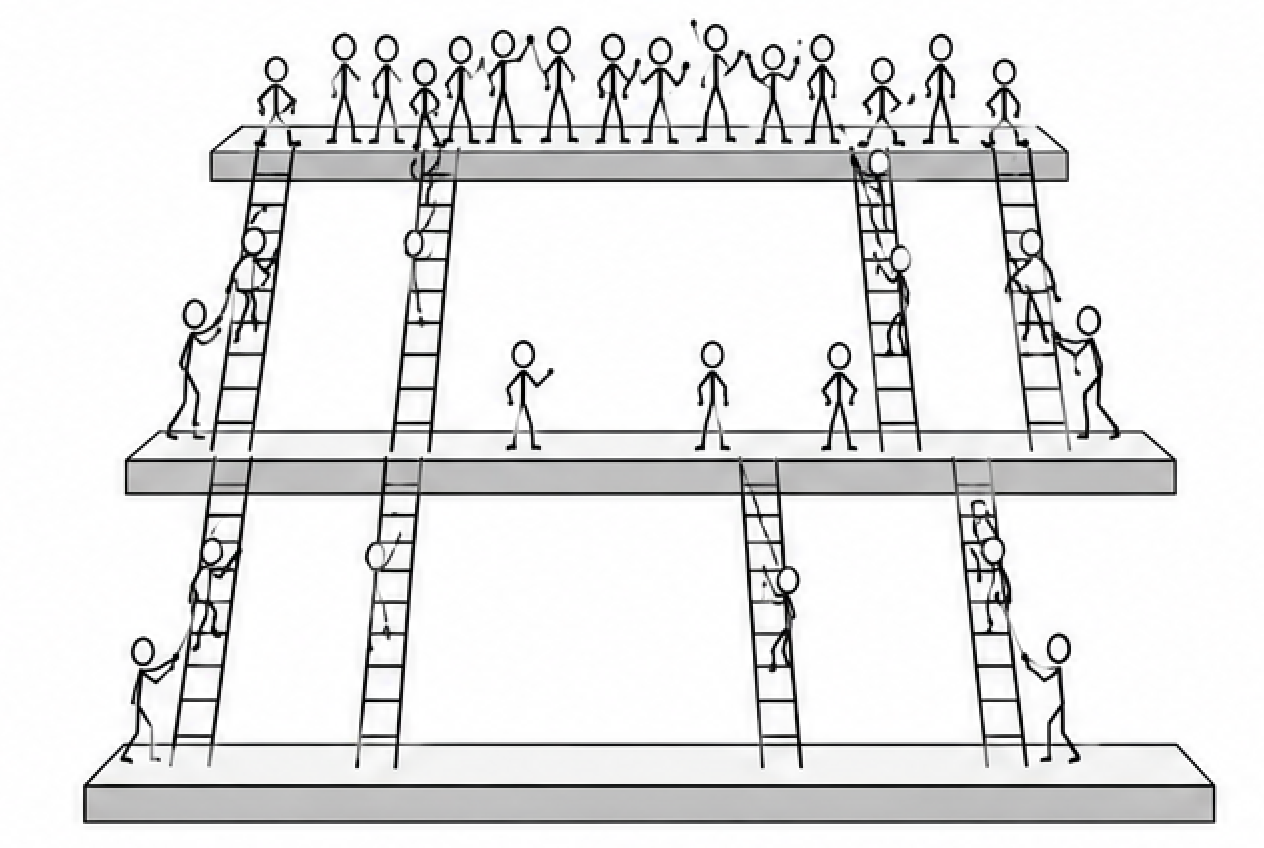
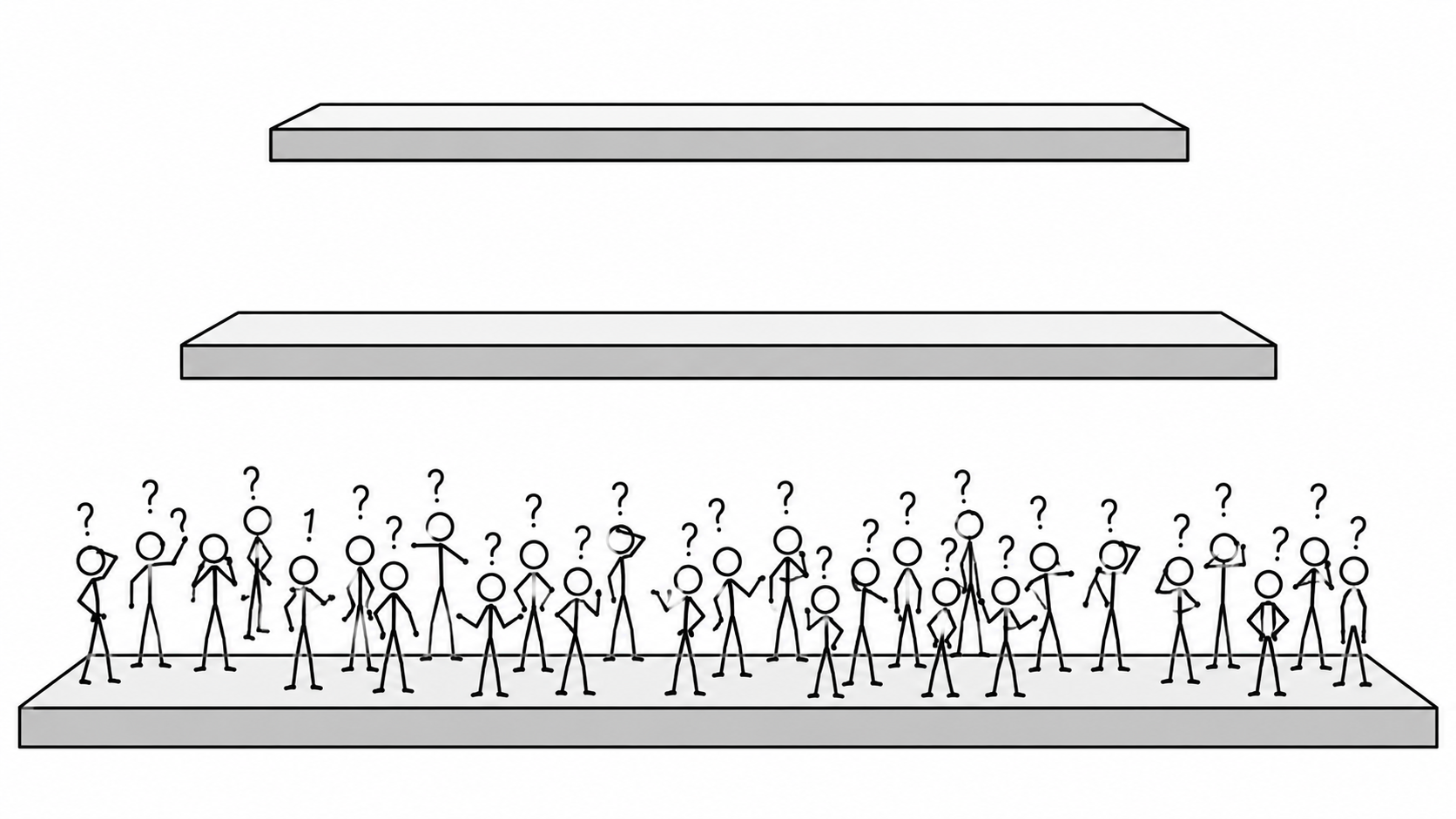
My view is this: without commonly agreed principles and routines, you get stuck very easily on a mediocre plateau. There is too much inertia and each teacher is fighting battles on their own; student learning habits are not being deepened. Teachers feel frustrated in the absence of a way forward.
Finding the right blend of teacher autonomy and alignment is a key leadership issue: You want enough coherence to ensure that routines really do work as ladders to another level. Sometimes being really tight and prescriptive is just needed. But you also need to develop teacher decision-making and honour subject authenticity so you need to support flexible, adaptable enactment of routines to suit curriculum and context specific situations. This is not a case of routines good vs routines bad. It’s a case of identifying which routines would make more impact if they were done in the same way by everyone and which routines really need to be adapted for purpose more freely.
One thing is for sure, the ladders down scenario is terribly hard to get out of: where you find inertia in school improvement it is often because there’s a cultural unwillingness – even a squeamishness – around introducing common practices, as if techniques and routines are somehow beneath us; for the other people! We’re professionals for God’s sake!! More sensibly, buying in to agreed routines benefits everyone and then there’s more freedom all round.
See also: Jazz.

Artful teaching is built on sound, well-understood techniques. Precision and intentionality let the jazz flow. A thread captured.
This thread was posted a couple of days ago.. and seemed to resonate. A few people asked me to post it here to make it easier to share, so here it is: Was meaning to blog this but was…


