This post is a capture of a short thread posted on X;LinkedIn last week. I’ve added links to other posts that explore the issues in more depth,
Some thoughts from recent discussions and observations:
1. Concrete Learning and schema-building
A lot of teaching is too abstract and out of context for the weakest learners. Not enough scene setting—images, videos, real objects, experiences, stories, concrete examples—make it real, concrete, vivid. Spell it out.

Concrete not Sand – build on what they know!
I’ve encountered so many scenarios across the curriculum where students’ prior knowledge just isn’t secure enough…


Schema-building: A blend of experiences and retrieval modes make for deep learning.
Learning is complicated so it can be useful to use conceptual models to help understand and…

Building Understanding: supporting students to assemble their own schema.
Recently, as I’ve engaged with numerous curriculum webinars (eg EduGiveUK) and continued working with schools and…
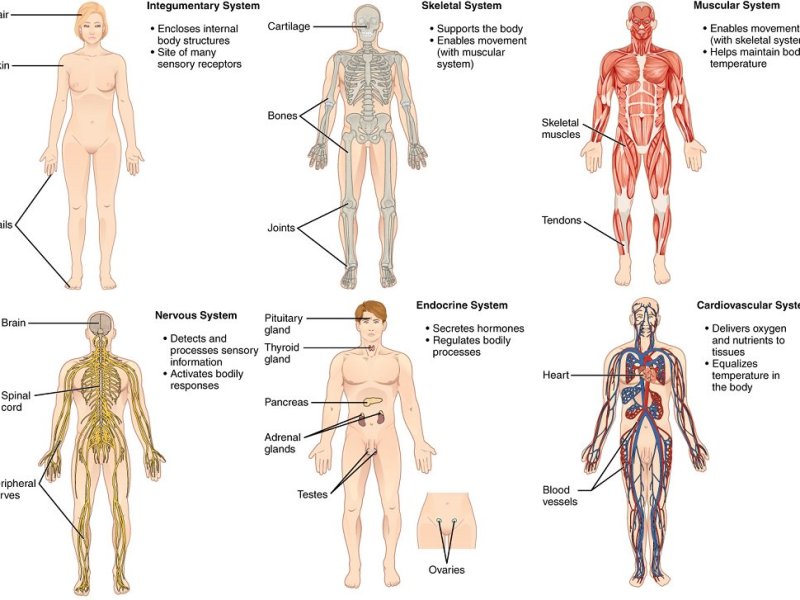
Curriculum Notes #2: Big picture first: then zoom in.
#2 in a series. I’ve often found that students in lessons are wading through a foggy…
2. Modelling hand-over,
Modelling is a process that should only end when everyone can do what you’re modelling. They all need a chance to do it, so you need to check they all can. Reteach and scaffold as needed—but at least check. Can *everyone* do the equation, paragraph, explanation, skill?

Five Ways to Secure Progress Through Modelling
A central feature of an instructional teaching process is for a teacher to show their students…

The art of modelling… it’s all in the handover.
Some of the most interesting discussions I’ve had with teachers in recent times have been about…
3. Checks for understanding
It’s so common for a few students’ answers to be taken as representative of the class. Show-me boards, proper structured pair talk, or full circulation checks ensure all students think, practice, make meaning; you have to do these things or else you have no idea how it’s going.
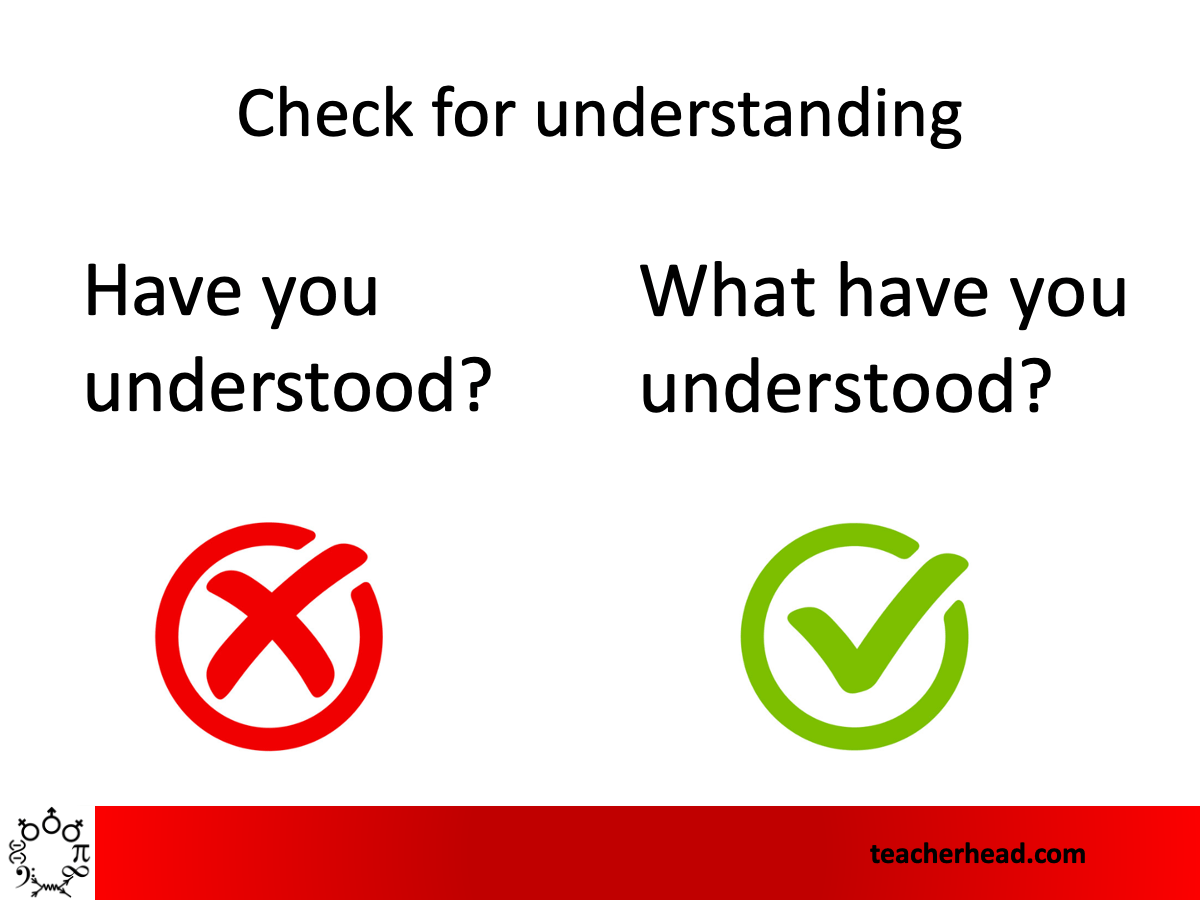
Check for Understanding… why it matters and how to do it. #rEDSurrey21
This post gives the key points from my ResearchEd Surrey talk at Farnham Heath End…
Systematic inclusion: Is literally everyone thinking, talking, practising, learning? How much does it matter to you?
I’m often struck by just how deeply embedded some ineffective teacher habits are. I see…
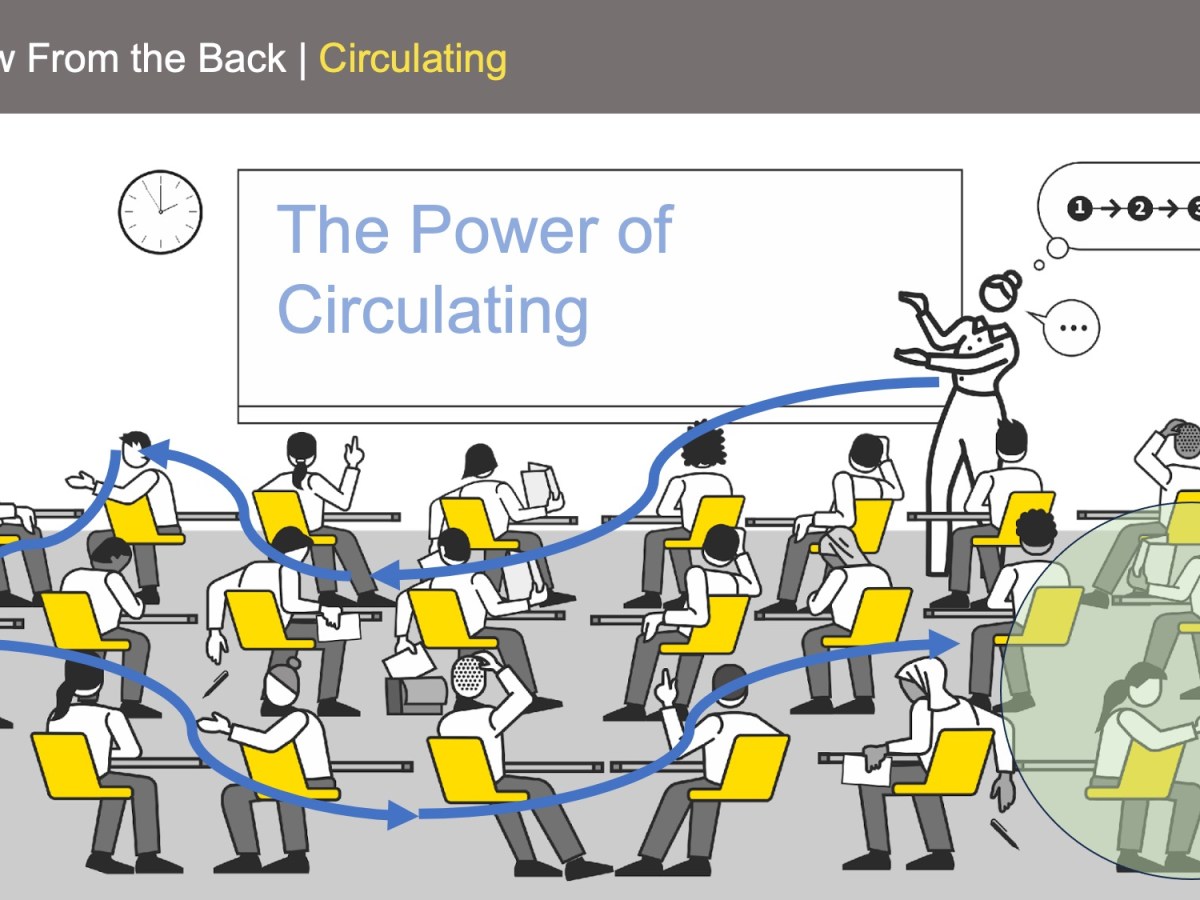
The View From The Back: The Power of Circulating
A series of short posts, focusing on the challenges of teaching all students successfully, informed…
4. Retrieval Practice.
Too much retrieval practice assumes we’re at the ‘strengthening connections’ phase when actually many students simply don’t understand the material at all. Quizzing must reveal wrong answers leading to reteaching. Green penning isn’t teaching. Design RP for a high success rate.
10 things: Common problems with Do Now Activities.
A high proportion of the lessons I watch from the beginning begin with…

When daily quiz regimes become lethal mutations of retrieval practice.
One of the most common areas of development in schools over the last…

Rehearsal first; retrieval practice later – an important distinction.
In December, Efrat Furst delivered a superb masterclass as part of our In…
5. Rehearsal and fluency – for all,
We underplay the need for extensive rehearsal and repetition. For example, one student gives a half-decent answer; they are not asked to improve it, and nobody else is asked. Versus pair talk being used so every single student is answering, and sampled responses are probed and deepened.


Great Teaching. The Power of Practice
Image Source: www.bowenehs.com In this post Skills and Drills, I explore…
Systematic inclusion: Is literally everyone thinking, talking, practising, learning? How much does it matter to you?
I’m often struck by just how deeply embedded some…
 teacherhead