This thread was posted a couple of days ago.. and seemed to resonate. A few people asked me to post it here to make it easier to share, so here it is:
Was meaning to blog this but was getting distracted so a rare🧵:
I see 100s of lessons and teachers and it’s clear to me the best teaching appears fluid and artful but is always built on sound techniques deployed with purpose; intentionality; precision.. /n
These techniques support ALL students to engage, to listen, think, practise and make sense of the ideas. The techniques provide feedback to the teacher about how students are doing; they check for understanding and respond and adapt. ..
It’s difficult to do well with 30 students; it’s hard to check in on 30 students at once or to notice if they’re struggling. These aren’t basic techniques if basic means ‘easy’; they are fundamental. Core. And need to be crafted, worked on constantly. ..
So it’s helpful to have a repertoire of these techniques that are well understood so people can share them, develop them and discuss them meaningfully – we need to be talking about the same things . It’s also helpful to have prompts to form good habits…
With a set of precisely codified ideas – a playbook – you can create shared understanding across a staff body that fuels collective action and provides a secure platform from which each teacher can adapt ideas for their class or style without losing the core rationale…
Teacher entropy always increases: the tight becomes loose; ideas flex and diverge; teachers are naturally autonomous and make things their own; they express themselves. Personalities shine through.. always .. so …
I never worry that ideas are overly prescribed or too rigidly defined. That’s how they start. It’s helpful to have a standard set of steps for a standard dance. Knowing the steps allows you to then build strong routines and to give confidence in spontaneity. ..
In fact, from what I see, it’s where teachers’ techniques are not strong, where not all children are engaged, thinking and practicing and the teacher doesn’t notice things they should, that problems arise. It’s a lack of precision that kills the learning for the most vulnerable..
So it pains me when experienced folk on here and elsewhere misguidedly pull the cynic’s jaded eye-rolls at the mention of codification or TLAC or Rosenshine or action steps or playbooks – as if, what, these things are a straitjacket or beneath them? .. When…
These form the basis of excellent techniques. Why wouldn’t you want every teacher to have access to seemingly artful techniques that great teachers use all day? Techniques liberate – just as dancers, musicians and tennis players are liberated by their confidence in technique ..
It’s never a one size fits all. I never see teachers imprisoned by precision; they are highly individual. But I do see the opposite- children floundering because their teacher has winged it, alone in a complex teaching situation without that strong repertoire to fall back on.
If leaders, coaches, trainers understand that artful dynamic responsive creative teaching is fuelled by well defined techniques, I think we get better outcomes for teachers and students. The in-class decision making affords all the autonomy anyone needs. …
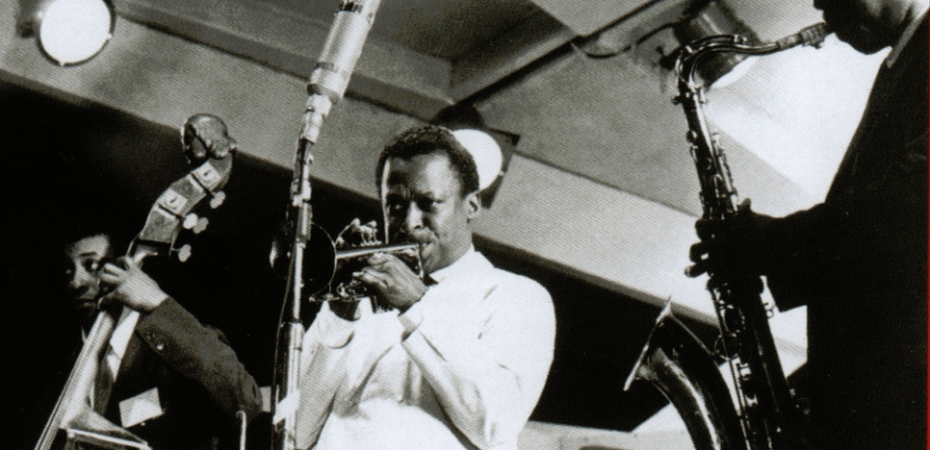
Embrace the jazz – responsiveness demands good situation assessment and agile command of teaching tools. But you can’t use a tool you don’t have. Start building that toolkit and the artfulness will flow. If you sneer at the tools, you kill creativity; it’s that way round. 👍🏼
To learn or hone a technique you break it down into steps, link it to a model of learning – the why – and then build it up. Mechanical at first maybe, then more and more fluid. Better still if it’s a team effort; social support with a shared understanding drives people on 😄
Linked posts

Framing Action Steps in Coaching: Fidelity to the technique – and all that jazz.
One of the interesting discussions that often comes up in the coaching arena is around the role of pre-defined techniques and the extent to which they help or hinder a teacher’s professional development. I’ve enjoyed…


Core Teaching Techniques: The tennis analogy.
In my training I often find that a tennis-stroke analogy is useful to communicate a range of issues . The analogy is simply that, in tennis, players use a set of well-defined strokes in…
 teacherhead